
Highlights
- Next-generation AI data centers are driving unprecedented demand for copper and aluminum.
- Copper supply will depend on more than mining to meet future demand.
- Aluminum faces dual challenges: Increased data center construction and infrastructure demands, and increased energy costs for U.S aluminum smelters.
The recent explosion in demand for and construction of data centers for artificial intelligence has created a domino effect on several fronts, from concerns about large data center locations to the water usage they consume.
The demand for critical minerals for AI is one of the biggest issues, as AI data centers and how they operate rely heavily on nonferrous metals like copper and aluminum.
Redefining the future of American infrastructure
Companies are pouring billions of dollars into developing cutting-edge AI technology, making data centers some of the most important infrastructure in the world. A new generation of data centers that can support AI is being rapidly built up. In the US alone, construction spending on AI data centers has tripled over the past three years, according to a recent article by Goldman Sachs. According to their report, “How AI is Transforming Data Centers and Ramping Up Power Demand,” the five highest spending US hyperscale technology companies will spend $736 billion on capital expenditures over 2025 and 2026.
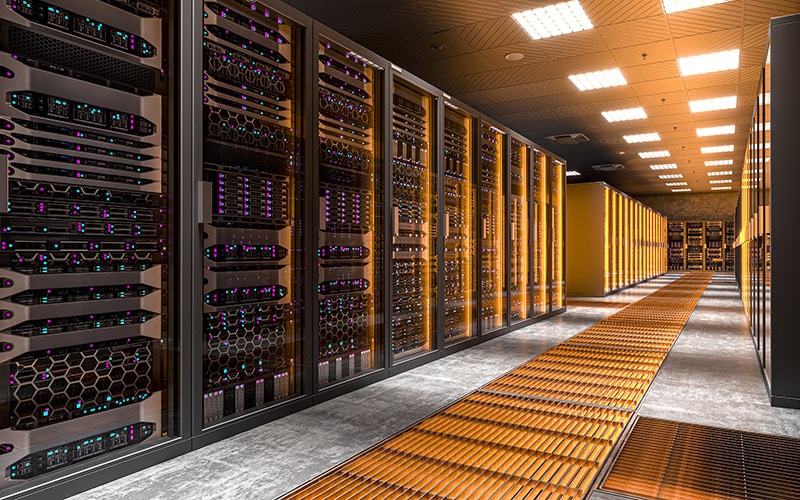
These AI data centers are much larger and consume more energy than conventional data centers. They can be hundreds of thousands of square feet, as large as 200 football fields, and consume enough power for 50,000 to 100,000 homes. Because next generation AI data centers are immense in scale, they consume more power, generate more heat and require a more sophisticated infrastructure. As put by S&P Global, the AI race runs on electricity.
Copper is essential to these functions and in this infrastructure transformation. Copper delivers electricity, handles thermal loads, and supports connectivity. And according to industry experts, the data center boom will require a lot of it. A conventional data center might use 5,000 to 15,000 tons of copper, whereas an AI data center can use up to 50,000 tons, according to the Copper Development Association (CDA).
Experts assess how we can meet the demand for copper
The U.S. does have enough copper to build the AI data center infrastructure it needs, states the CDA. The challenge will be making sure the material is mined, refined, recycled and traded in a way that can meet this demand. The U.S. Geological Survey (USGS) estimates that 48 million metric tons of U.S. copper resources will meet the demands of the next decade. The challenge will be converting it to usable metal in a usable timeframe. The problem lies in the fact that U.S mining output has declined, refining is outdated and about one third of the copper used here is imported.
A strategy to meet the demand must include addressing all these fronts, says the CDA. Increasing domestic production must include shortening the permitting process, which in the U.S. is one of the longest in the world. Estimates range from 17 to 29 years to permit a new mine in the U.S. There also needs to be an investment in modernized refining and smelting of mined ore.
Increasing domestic recycling is also a component of meeting the new demand, say industry experts, who say aggressive improvements are needed. Improvements in collection and processing can provide about one third of the total supply needed by 2040, says S&P in their article “Copper in the Age of AI: Challenges of Electrification.”
Aluminum also critical to data center boom
Copper is not the only metal impacted by the AI data center building boom. Aluminum faces two issues impacting aluminum market trends. First, massive amounts of aluminum are needed for AI hardware requirements and data center construction. Aluminum is needed for server racks, roofing, cooling and radiator units and structural panels. The expanding electrical grid needed to fuel the new data centers will have an indirect impact on aluminum as well. The need for more power loads will increase demand for aluminum cables, substations and transmission lines.
The second way aluminum is being impacted is by the price of electricity. Processing ore into aluminum is an extremely energy-intensive process. The technology companies building data centers are willing to pay premiums for electricity, increasing the costs for aluminum smelters. According to industry analysts, these pricing wars are causing some U.S. aluminum smelting companies to consider idling plants or even selling their locations to data center developers.
Nonferrous metals key to AI data center boom
The AI data center building boom is underway, requiring a new, energy-intensive infrastructure. According to a report by Revelio Labs, more than 700 projects are currently under development. The construction of this new infrastructure and servicing its electricity needs will have a massive impact on the nonferrous metals of copper and aluminum. Copper and aluminum industry experts are forecasting a huge increase in U.S. demand for these metals. They asses that we can meet the demand, but it will require an “all of the above” strategy for utilizing domestic resources.
FAQs
1. Why are AI data centers increasing demand for copper?
AI data centers require significantly more electrical infrastructure, cooling systems, and high-speed connectivity than conventional data centers. An AI data center can use up to 50,000 tons of copper—several times more than a traditional facility.
2. Why is aluminum important for AI infrastructure?
Aluminum is widely used in server racks, cooling systems, roofing, structural panels, electrical cables, substations, and transmission lines, making it essential for both data center construction and the power grid expansions that support them.
3. Can the U.S. produce enough copper to meet AI-driven demand?
Industry experts believe the U.S. has sufficient copper resources, but meeting demand will require faster mine permitting, modernized refining and smelting, expanded domestic production, and greater investment in recycling.
4. How does AI growth affect aluminum producers?
AI data centers consume enormous amounts of electricity, increasing competition for power. Higher electricity prices can raise production costs for aluminum smelters, making domestic aluminum production more challenging.
5. What role does recycling play in supplying critical metals?
Recycling is expected to become a key source of future copper supply. Improving collection and processing capabilities could provide a substantial share of the copper needed to support AI infrastructure while reducing reliance on newly mined material.
About ScrapWare Corporation: Since 1989, Rockville, Maryland-based ScrapWare Corporation has been the software of choice for the recycling industry. Its ease of installation and simplicity saves users time and money while helping them achieve compliance and maintain accurate business insights. With state-of-the-art functionality tailored to each organization’s unique requirements, ScrapWare is an advanced dynamic software solution that alleviates the most pressing recycling industry worries. For more information, please call (301) 517-8500 or visit https://www.scrapware.com/.