
Highlights
- Nearly half of Americans, 45 percent, plan to take a 2026 summer vacation, according to NerdWallet.com.
- With online databases, you can research the local recycling guidelines at your destination.
- You can implement Reduce, Reuse, and Recycle practices while you are on the road with a little advance preparation.
Longer and sunnier days mean travel season is here! Almost half of Americans, about 45 percent, plan to take a summer vacation this year, according to personal finance company NerdWallet. A vacation away from home, however, does not have to mean a vacation from recycling and taking care of the environment.
We’ve collected recommendations from environmental groups, local parks and recycling organizations and have listed some tips to help you continue recycling during your summer vacation.
Plan ahead
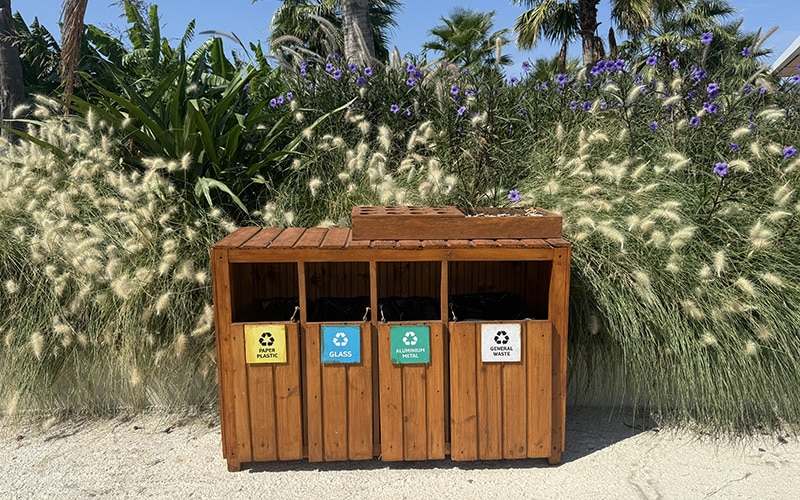
- Organizations like The Recycling Partnership recommend researching the recycling rules at your destination before you go. Check the local laws at your destination to learn how to properly dispose of your recyclables. Some municipalities require materials to be separated, but in some locations, plastic, metal, glass and paper can be commingled. A simple internet search can help you find the guidelines at your vacation spot.
Getting ready to hit the road, the famous three R’s to reduce waste—reduce, reuse, recycle—can be taken with you on your summer vacation.
Reduce
- Stay hydrated on vacation and reduce waste by bringing along a reusable water bottle. Refilling the water bottle will eliminate the need to keep buying disposable plastic water bottles.
- Pack travel mugs and cloth tote bags to cut back on single use waste during your trip.
- Grab only what you need. At rest stops and food concessions, only take the condiment packages, napkins, maps, brochures, cutlery, free samples and coupons that you will really use. Taking more than you need means you will have to dispose of it later.
- Eliminate travel-sized mini toiletries by buying small reusable containers to fill with your favorite products.
- Opt for electronic tickets and boarding passes and online maps and guides to prevent the need to print paper.
Reuse
- If you’re camping or picnicking, bring reusable cutlery, plates and cups that can be washed at park sites and reused. No more plastic cutlery and disposable plates.
- When shopping on your trip, save and reuse your bags. Plastic shopping bags are handy for packing muddy shoes, wet swimsuits and dirty laundry. Paper bags are good for carting food for picnics or snacks for car rides.
- Use guidebooks, maps and brochures from the library or friends who have travelled to your destination, so you don’t have to get new ones. Save and file these travel resources to use on a future trip or share with another traveler.
- Visit local farmers’ markets at your destination. Not only is it a fun activity where you can see the local culture, but there you can also buy bulk food without packaging to put in your own reusable containers.
Recycle
- When on a road trip, pack extra bags or boxes as the designated “mobile recycling bin.”
- On a picnic or beach trip bring a cooler for your refreshments, and as you consume the contents, crush and place the empty plastic and metal cans and bottles back in the cooler so you can carry them to the nearest recycling bins.
- Read the label on sunscreen and bug spray to buy it in cans and bottles that can be recycled.
- Have a plan for trash while on a long walk or a hike, which usually means packing an extra trash bag to collect recyclables. Of course, don’t litter!
- For a fun group activity, for each day of your outing, choose a “designated recycler.” This person would be responsible for locating recycling bins and collecting recyclables. Usually, a younger family member will consider it a challenge and rise to the occasion!
Some Recycling Don’ts
- Wherever you are, do not place plastic shopping bags in with recyclables. These bags get caught in recycling equipment and slow down the recycling process. Return them to a store that collects and recycles them.
- Don’t put your foam cooler or container in with recyclables. This kind of foam can not be recycled with plastics and can contaminate a recycling load. See if you can return it to the retail location where you purchased it for a specialized recycling collection. Better yet, skip the foam cooler and bring a reusable container instead.
- Food containers should be emptied before putting in recycling bins. Don’t put containers contaminated with food in bins. This spreads to other recyclables and impairs the recycling process.
Whether you are taking day trips, a cross-country road trip, or flying to your destination, these recycling tips for summer vacation will help you not only reduce waste but also save money. Finally, they will help protect the environment while we enjoy summer travel.
About ScrapWare Corporation: Since 1989, Rockville, Maryland-based ScrapWare Corporation has been the software of choice for the recycling industry. Its ease of installation and simplicity saves users time and money while helping them achieve compliance and maintain accurate business insights. With state-of-the-art functionality tailored to each organization’s unique requirements, ScrapWare is an advanced dynamic software solution that alleviates the most pressing recycling industry worries. For more information, please call (301) 517-8500 or visit https://www.scrapware.com/.